Chapter 8 was all about nutrition. I’ve always been interested in nutrition, so a lot of this info was familiar to me. However, there was definitely some new information that was really interesting to learn about.
Chapter 8 goes through the digestive process from eating, through the salivary glands, esophagus, liver, stomach, pancreas, intestines, rectum to the anus. It also describes the Recommended Daily Allowance (RDA), which is published by the Food and Nutrition Board of the Institute of Medicine. The RDAs are a set of recommendations that are meant to guide people as to the appropriate amounts of various nutrients. They also have recommendations for adequate intakes; tolerable upper intake levels; and acceptable macronutrient distribution ranges.
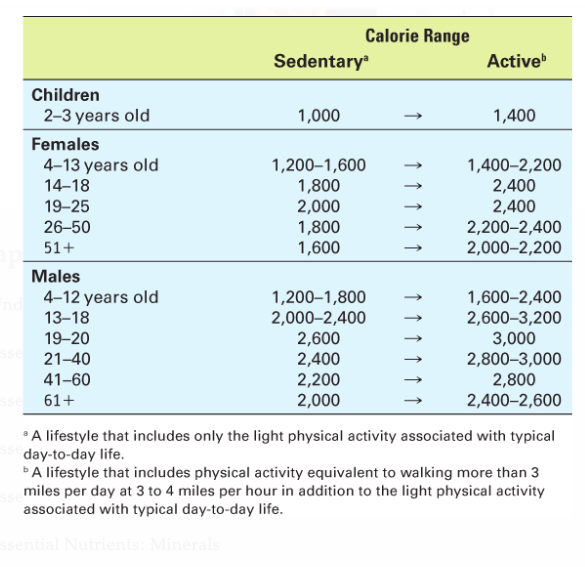
Calories was also thoroughly discussed. Understanding the recommended calories for your particular sex, age and activity level is obviously very important for anyone looking to lose weight or even just maintain a healthy weight.
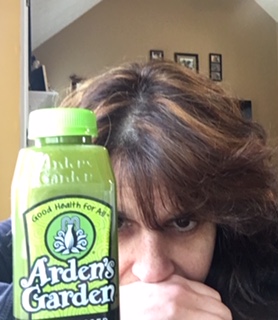
I was especially interested in the information about water. The book stated that all beverages (including caffeinated ones) count toward liquid intake and caffeine has not been shown to cause dehydration in people who are used to drinking it. That was a surprise to me. I was also surprised about the quantities of water in some foods such as dry bread. Who knew?
Proteins is the most abundant substance in the body after water as it is a part of every cell. Proteins are broken down into amino acids. Many of these amino acids can not be made in the body, so they must be gotten through the food you eat. Carbohydrates are the bodies primary source of anergy in the broken down form of glucose. Carbs can be simple or complex depending on the length of the chain. Fats are what the body uses for energy when it runs out of stored carbohydrates. Since fats have 9 calories per gram (as apposed to 4 calories for carbs and proteins) they are a great source of energy. Fats come in many varieties. Some are necessary as part of a healthy diet, and some (such as trans fats) should be avoided.
The concept of proper food combining to get all your essential amino acids is great for me since I don’t eat very many animal proteins (only fish). Which made the chapter on vegetarians especially interesting for me. One error I noticed is that they said some vegetarians eat fish. Actually, people who eat fish would be referred to as pescatarian, not vegetarian.
The chapter on Organic foods was all pretty familiar to me, except for the exact definitions of 100 percent Organic (100 percent), Organic (95 percent), Made with Organic Ingredients (70 percent), and Some Organic Ingredients (70 percent). Considering how much more expensive organic food is, you definitely want to make sure you know what your getting! I was glad to see that they also mentioned buying locally. I can’t say I always do this, but I try to when I can.
The chapter on food technology was intriguing as well. I was unfamiliar with the concept of food irradiation. Not gonna lie, that scares me. I’m not a big fan of GMO foods either. I’m a big believer that the less tinkering we do with food the better; both for us and the environment.
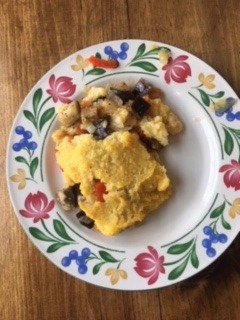
As for how I’ve been doing this week, it took me a little bit to get back in the swing after vacation, but I’ve been relatively happy with my progress. I’ve been eating better and doing more exercise now that the weather is getting better. I’m using the Beachbody app so I can workout at home when I can’t get out to do it. I’m also planning on getting the Motiv fitness tracker for my birthday in a few months. Kinda excited about that.

 Lucy 2.0 My Healthy Journey