According to chapter 9 America has the highest population of obesity and we are fatter than we’ve ever been before. Unfortunately, this problem often starts in very young children. They often have access to very high fat/high carbohydrate, unhealthy foods and minimal opportunities for physical activities. Nearly 55 percent of obese children are still obese in adolescence, and 80 percent of obese adolescents will be obese adults—with 70 percent of those continuing to be obese after age 30 (Donatelle).
Obesity can lead to numerous health problems. Donatelle lists: “cardiovascular disease (CVD), stroke, cancer, hypertension, diabetes, depression, digestive problems, gallstones, sleep apnea, osteoarthritis, decreased mobility, restrictions on activities of daily living, and loss of independence.” For this reason obese people are likely to have much higher medical costs. Donatelle also states that obesity often leads to increased depression and issues with poor body image.
Although some people might assume that obesity comes from eating too much, making poor food choices, and being sedentary, there is obviously much more to it. Many factors such as genetics, metabolism and hormones contribute to determining who will be at higher risk for obesity. In contrast, being underweight, although not as common as overweight, can also lead to numerous health problems.
Many tools are available to assess body fat composition. One of the most basic is BMI. However, it has some major flaws that make it an inaccurate tool for many people. More accurate measurements can be achieved with skinfolds, underwater weighing, bioelectrical impedance analysis, DXA, and bod pods.
In our chapter homework (question #10) it stated that depression, stress, cultural influences, and the availability of high-fat, high-calorie foods can all make weight loss harder. The answer for what is not likely to make weight loss more difficult was gender. In my experience that doesn’t seem to be true. I have always found that men seem to have an easier time taking off excess weight. Have you had the same experience?
I’ve always been very lucky in that I haven’t really had a lot of difficulty maintaining my weight. I’ve put on and taken off weight over the years but its never been a real problem for me. I have had friends who have really struggled with weight management and body image though. I hate it for them because I see them working hard, exercising like crazy, eating right, and still not having as much success as they would like. Often it seems like stress, anxiety and the negative body image end up getting in the way. In our book they say that calories in and calories burned are what really makes the difference, but I think thats a bit of a simplistic view.
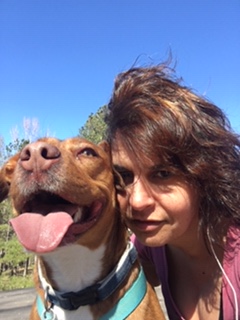
As I’ve gotten older (in my late 40’s now) I’ve had to get used to the idea that my body isn’t the same as it was when I was in my 20’s. I can’t always work out as hard as I could, I sometimes have aches and pains that remind me of my age, and I’ve got some wrinkles and grey hairs that really annoy me sometimes. All that said, I’m happy with my body and I work at staying healthy. This week has been good for maintaining my exercise routine. The eating has been pretty good, but not perfect. I have been meditating daily, which I think really helps. All in all I feel like I’m on the right path. I think I have setup a plan that is pretty manageable for me. Of course I ver off track every now and then. I’m sure there’ll be more of that in the future too. But as long as I find my way back then I’m ok with that.

 Lucy 2.0 My Healthy Journey