
Chapter 10 is all about fitness. The chapter starts by defining the difference between physical activity and exercise. Physical activity is basically anything that requires more energy than resting or being sedentary. Exercise is more goal oriented. Exercise can be focused on improving cardiorespiratory health, muscular strength/endurance, or flexibility. Exercise intensity can be described in terms of METS. METS stands for metabolic equivalent and is a scale going from sedentary to vigorous activity.
Cardiorespiratory exercise focuses on the heart, lungs, and blood vessels and improved oxygen use. Aerobic exercise is the best way to improve cardiorespiratory fitness. “The word aerobic means “with oxygen” and describes any exercise that requires oxygen to make energy for prolonged activity (Donatelle).
Muscle strength is based on the how much you can lift in one muscular contraction. While muscle endurance is based on how many consecutive contractions you can perform or how long you can sustain a contraction. Flexibility is more about range of motion.
Physical activity obviously has numerous benefits. According to Donatelle, “physical activity improves more than 50 different physiological, metabolic, and psychological aspects of life”. It effects the brain, lungs, heart, bones, joints, muscles, blood vessels, and more.
When first starting a fitness program it is important to come up with a plan and set goals. This may start with evaluating your perceived obstacles to fitness. Next try to choose activities that will be accessible to you and that you will enjoy. You may decide to purchase some exercise equipment. There are numerous options and they can range from relatively inexpensive, to quite expensive. In setting your exercise goals, it would be beneficial to use the SMART method of goal setting. SMART stands for specific, measurable, action-oriented, realistic, and time-oriented.
Another option is to use the FIIT principle. It includes consideration of frequency of exercise, intensity, time spent exercising and the type of exercise performed. FIIT principles can be useful wether you are interested in cardiorespiratory, strength, or flexibility related physical activity.
Once you’ve begun an exercise regiment, it will be important to develop a progress plan. This will help you to continue improving upon your cardiovascular, strength, endurance and/or flexibility. Also, make sure that you always include a warm-up and a cool-down as part of you exercise routine. One of the most important areas to strengthen in any routine is the core. A strong core will greatly reduce the chance of injuries and help to eliminate back pain.
If you have specific health concerns, you can still be physically active. However, you should probably consult with a physician prior to starting a new program. Some people who may need to speak with a physician prior to beginning a fitness program would be people with: asthma, cardiac issues, obesity, diabetes and the elderly.
When working out it is important that you are eating a nutritious diet and staying hydrated. Carbohydrates are important for energy as well as good fats and protein for muscle repair. Several types of injuries can occur during exercise. They are usually of two categories: traumatic injuries or overuse. To avoid injuries make sure you use equipment properly and get appropriate goals. Also listen to your body and use common sense.
As far as my fitness goals go, I started off having a great week. I was working out hard and feeling really good. I was sticking to my dietary goals (except probably still eating to many carbs). Generally all was well. Then this happened. . .
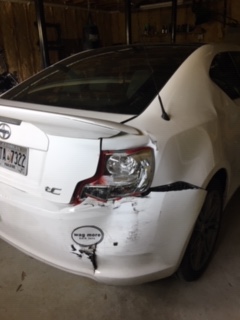
My car got smooshed. I was so depressed after this and it was such a pain dealing with the insurance companies. The rest of my week was shot. As I’m writing this I’m trying to tell myself that I’m going to get back on track today. Hopefully that will be true.

 Lucy 2.0 My Healthy Journey