
Our bodies are constantly fighting to protect us from infectious diseases. We have many defenses that create barriers and weaken or kill foreign organisms. This starts with the skin, tears and saliva. It also includes many internal organs such as the respiratory tract, intestines, stomach, and urinary tract. In addition, our body creates specific responses to invasion such as the inflammatory response, macrophages, B cells, T cells, and memory cells. These cells constitute the make up of cell-mediated immunity. Staying healthy and avoiding any controllable risk factors can also help to avoid disease.
Foreign bodies that enter the body are termed antigens. Once the body recognizes an antigen it reacts by forming antibodies. Antibodies are specific to certain antigens and once you have them, you will have humoral immunity to that antigen.
Although these immune defenses are crucial for maintaining health, sometimes the body can make a mistake and create an immune response to its own body’s cells. These mistakes will cause an autoimmune disease. According to Donatelle autoimmune diseases, “can affect virtually any part of the body, and some of them may cause disability and death. Among the most common autoimmune diseases are type 1 diabetes, rheumatoid arthritis, multiple sclerosis, celiac disease, and irritable bowel syndrome”.
Another important way to protect against pathogens is by getting vaccinated. Vaccinations create immunity by exposing you to a weakened, or dead version of the antigen, which in turn causes the body to create antibodies without actually exposing you to the disease.
Some of the major pathogens that are harmful to humans include bacteria, viruses, fungi, protozoans, parasitic worms, and prions. There are over 100 bacteria that cause harm to humans. Most of them can be treated with antibiotics. However, due to misuse of antibiotics, some bacteria have become superbugs that can no longer be effectively treated with the same antibiotics that previously worked. Some of the most prevalent bacterial infections include staph, strep, meningitis, and pneumonia.
Viruses are the smallest pathogens. They can only reproduce inside a host. There are hundreds of viruses that can cause disease. Some of the most common include mono, herpes, hepatitis, mumps, measles, rubella, influenza and the common cold.
In addition to these more common diseases, there are several emerging diseases that have become more prevalent in recent years. West Nile is spread by mosquitos and currently have no vaccine or specific treatment. Malaria is also spread by mosquitos and mostly effects people in poor countries. Avian Influenza is spread by birds and can cross the species barrier to infect humans. E. coli O157:H7 is found in cows and can contaminate ground beef or unpasteurized milk or juice. Ebola is spread to humans via fruit bats, chimp, and other animals. It can then be spread among humans via contact with bodily fluids.
This chapter also put a lot of focus on sexually transmitted infections (STI’s). These include HIV and AIDS, Chlamydia, Gonorrhea, Syphilis, Herpes, Human Papillomavirus, Candidiasis, Trichomoniasis, and Pubic Lice. Since I’ve been married for 18 years, this is something that isn’t really relevant to me at this point in my life.
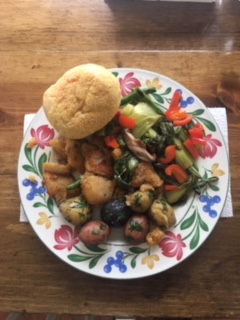
So now on to my week. I’d say it’s been good. My exercise routine has gotten back on track after a couple weeks of chaos. I was involved in a car accident which lead to my car being totaled by the insurance company and then multiple headaches trying to get it all resolved and get a new car. Exercise definitely moved down a few pegs on my list of priorities at that point. As far as my healthy eating goals I also had a pretty good week. I haven’t quite gotten back to my normal home cooking yet, but I feel confident I will now that those issues are mostly resolved. I also made a new food goal which I implemented this week. After monitoring my eating and my moods I decided to switch from caffeinated coffee to decaf. I’ve been doing that for about one week now and so far so good. It was actually easier than I thought it would be and I’m not feeling the caffeine highs and lows that I was getting before.

 Lucy 2.0 My Healthy Journey