So we’re down to the last week and I’m sure everyone is excited about that. I am. I’m thinking it’s probably a good time to look back at my original goals and see how I’ve progressed. With that in mind, here are my SMART goals from week 1
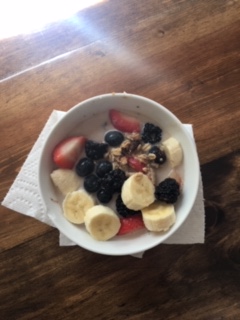
- Increase my servings of vegetables to a minimum of two per day
- Increase my servings of fruits to a minimum of one per day. I’ve never been a big fruit lover.
- Reduce my servings of bread to twice a day. I REALLY love bread.
- 1 to 2 sodas per month.
For the most part I think I have done well with this. The soda is pretty much a thing of the past. I make my veggie goal on most days. I’m definitely eating more fruits. Bread is still a tough one, but I’m conscious of it and it’s a work in progress. In addition, I’ve been doing more meditation. It comes and goes as a constant, but it’s definitely a positive in my life. I’ve come to the realization that picking one aspect of improvement tends to lead to improvement in other areas. In the end it’s the whole picture that matters. Of course no one can be perfect in everything, but it’s the small successes that matter not the fails. I’ll continue this journey and aim for a a healthier life over all! And to segway into the chapter… part of an overall healthier life includes making wise choices about healthcare.
The first part of that is knowing when to seek help and when you can manage on our own. If you determine that you need to seek medical assistance, the next thing to decide is what type of intervention you want to pursue. When choosing a doctor you need to be your own best advocate and do your research. Make sure you know what type of training your doctor has, how long they have been in practice and wether or not they will be covered by your insurance. In addition, ask lots of questions on your initial visit. Make sure you are comfortable with them and that they are willing to listen to everything that you have to say. You should never feel like your doctor is to busy to sit down and discuss your concerns!!
Another important consideration is wether or not you have the right doctor for the condition being treated. If your doctor is a primary care physician or internist, they should be willing and able to refer you to the best specialist to treat any specific conditions. That being said, I think you should always do your own research and make sure you aren’t just taking your doctors word without question. There’s a saying in the medical field that you may or may not have heard. For every graduating class of doctors there’s always the one that graduated at the bottom of his/her class. They’re people too and they can make mistakes. In my opinion, the person who has the last word on your health should always be you
Many people choose to pursue complimentary or integrative health care options. These non-traditional approaches have become more and more popular in resent years. Complimentary health care could include things like supplements, meditation, massage chiropractic care, yoga, or special diets. All these things can have beneficial effects. However, some have more evidence of benefit than others, and some can come with risks as well. As with allopathic healthcare, you need to know what you’re getting into before you start.
Some common medical systems considered complimentary in the U.S. include: traditional Chinese medicine, Ayurveda, homeopathy, and naturopathy. Many complimentary medical systems focus on manipulation of the body to cure physical as well as emotional disturbances. Manipulative therapies would include chiropractic, massage, and movement therapies such as Alexander technique and the Feldenkrais method.
Others focus more specifically on the movement of energy fields through the body. These practices include acupuncture, acupressure, Qigong, Reiki, therapeutic touch and healing touch. At this time, studies are inconclusive as to how much of the benefits from these types of interventions may be placebo effects. That being said, if you really feel better does it actually matter? Just something to consider.
Another ancient form of complimentary medicine that has taken root in the west is meditation. This one actually has lots of science to back up its claims. On a personal note, I’ve incorporated meditation into my life and I can say that I’m all the better for it. The changes are slow and sort of hard to describe, but I know I’m calmer, less reactive and more open minded than I was before I started practicing.
Dietary supplements is probably the most used form of complimentary healthcare. Just about everyone I know takes some type of supplement, myself included. They can be really useful. However, they can also come with side effects. Unfortunately, many people don’t consider over the counter medication to be a true medication with possible side effects and interactions with other medications. This can get people into a dangerous situation where the thing they took to get healthier is actually putting them at risk. My big take away from this chapter is this. There are a LOT of options out there. Be a smart consumer and know all you can before you buy in.
CHEERS!!!!


 Lucy 2.0 My Healthy Journey